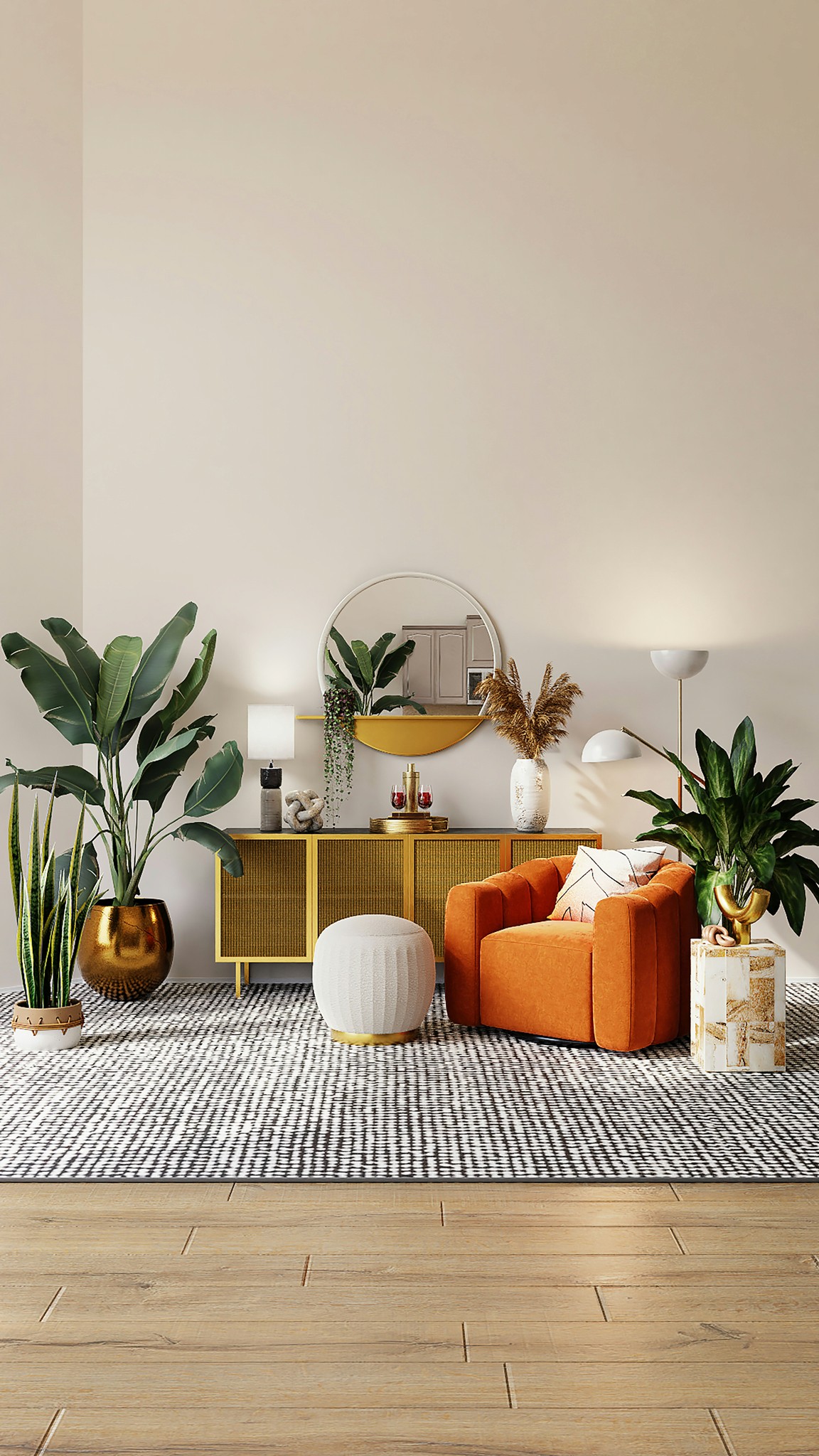
Our first meeting took place inside Haven Objects' showroom on Refshalevej, in Copenhagen's former shipyard district. The building itself reflected the company's philosophy. Old industrial brick walls. Large steel-framed windows. Raw concrete floors softened by handmade rugs and linen curtains.
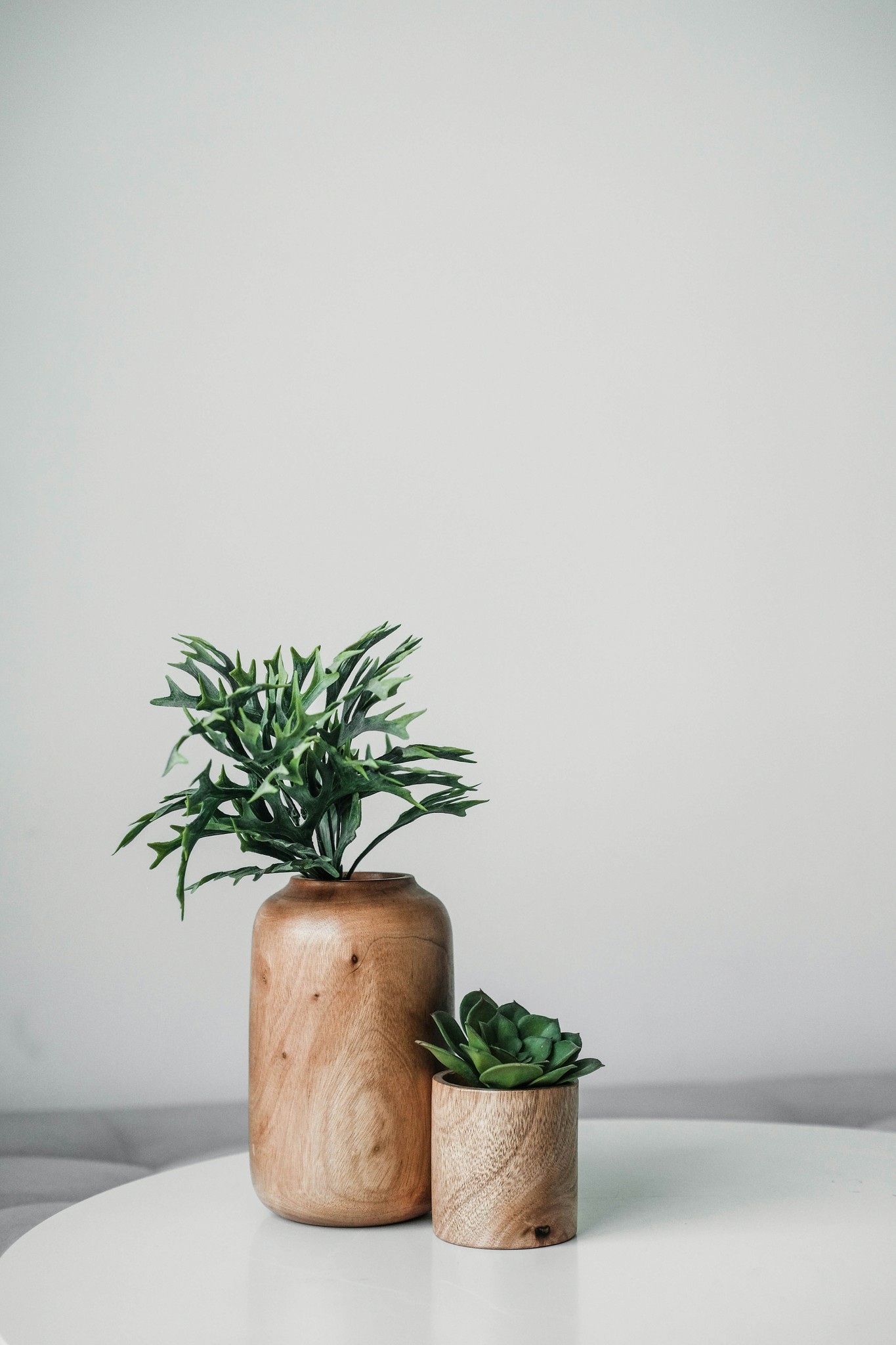
The collection consisted of ceramics, oak furniture, woven textiles and handcrafted lighting, all produced by small workshops across Denmark and southern Sweden.
Nothing shouted for attention. Everything invited a closer look. As we walked through the showroom, the creative director stopped beside a small ceramic bowl.
"Most people would never notice this piece," she smiled.
"But everyone who owns it tells us it's the object they use every day."
That sentence stayed with me throughout the project.
Rather than photographing inside the showroom, we searched for a location where every object could naturally belong. After two days of scouting we found an early twentieth-century townhouse in Frederiksberg, just west of Copenhagen's city centre.
The owners had recently restored the building while preserving its original pine floors, wooden windows and traditional mouldings. Morning light entered through the east-facing kitchen. By late afternoon, the living room glowed with warm reflections from the garden outside.
It didn't look like a location built for photography. It looked like somewhere people genuinely lived. That was exactly what we needed.
One misconception about interior photography is that every room becomes more beautiful when you add more objects. I've found the opposite to be true. During our first styling session, nearly every surface became filled with ceramics, books, candles and decorative pieces. The rooms looked impressive. But they no longer felt believable.
So we began removing things. A stack of magazines disappeared. Two cushions left the sofa. Several shelves became almost empty. By lunchtime we had removed nearly forty percent of the styling. The house suddenly felt alive again.
Good styling isn't about decoration. It's about restraint.